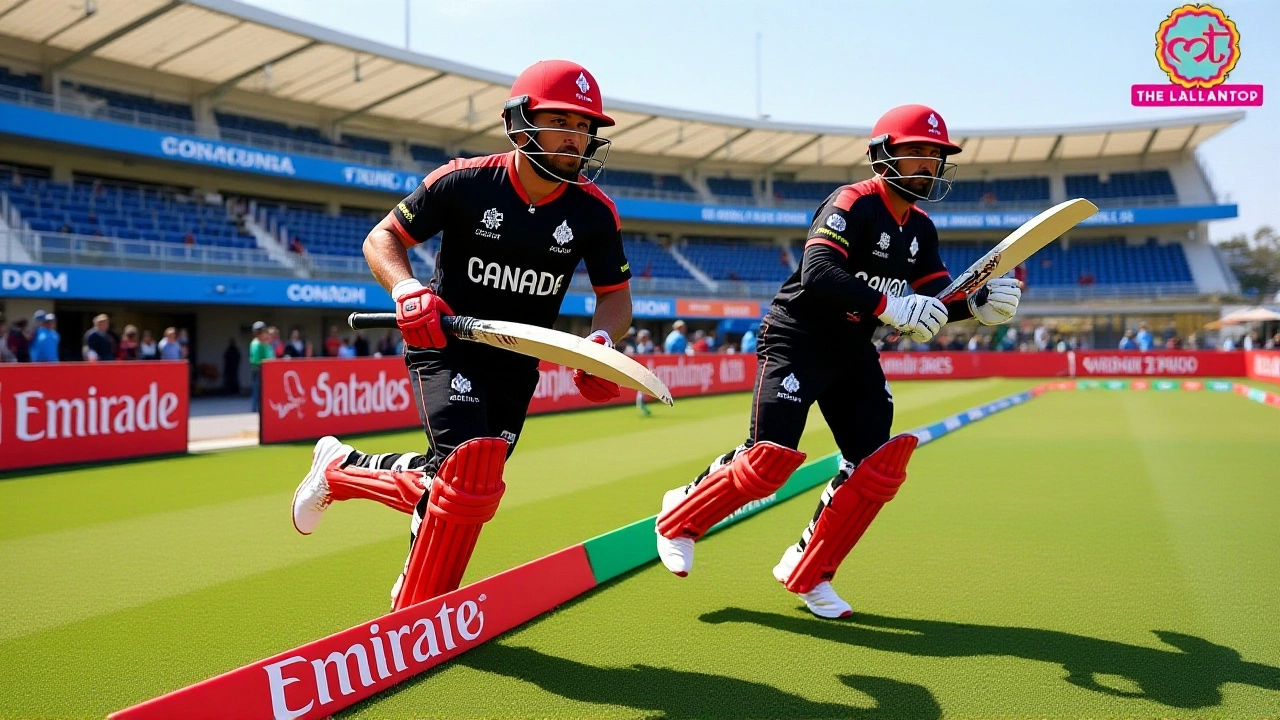
Cricket’s governing body has launched a formal investigation into allegations of match-fixing surrounding a 2026 ICC Men's T20 World Cup league stage encounter between Chennai, India. The scrutiny follows an eight-wicket victory by New Zealand over Canada on February 17, 2026, at the iconic M.A. Chidambaram Stadium.
The controversy erupted after Hindi news platform The Lallantop published a video questioning the integrity of the game, claiming that the International Cricket Council (ICC)’s Anti-Corruption Unit had initiated probes. While the details remain murky, the timing couldn’t be worse for cricket fans watching the tournament unfold across India and Sri Lanka.
The Match That Sparked Suspicion
On paper, the result looked like any other dominant performance in T20 cricket. New Zealand chased down Canada’s total with ease, losing only two wickets in the process. But it was what happened before the chase that raised eyebrows among pundits and casual viewers alike.
Yuvraj Samra, batsman for Canada, scored a century—a rare feat in international T20s. Yet, despite his individual brilliance, Canada lost by a massive margin. In high-stakes tournaments, such disparities often trigger questions: Was the effort genuine? Or were there external influences at play?
Here’s the thing: centuries don’t guarantee wins. But when combined with erratic fielding or uncharacteristic bowling errors from the winning side, patterns emerge that investigators love to dissect. According to highlight reels circulating online, several overs seemed unusually disjointed—something that caught the attention of anti-corruption officials.
Who Is Behind the Investigation?
The ICC’s Anti-Corruption Unit doesn’t start investigations lightly. They monitor betting patterns, player communications, and on-field anomalies meticulously. If they’ve flagged this match, it means something significant triggered their algorithms—or perhaps insider tips.
Interestingly, no specific players have been named yet. However, social media hashtags like #YuvrajSamra and #NavneetDhaliwal suggest these Canadian stars are under informal public scrutiny. Navneet Dhaliwal, another key figure for Canada, hasn’t commented publicly, leaving room for speculation.
But wait—this isn’t just about one team. When match-fixing whispers enter the conversation, everyone involved becomes part of the narrative. Even innocent participants can find themselves entangled in lengthy inquiries.
Context Matters: A Growing Tournament
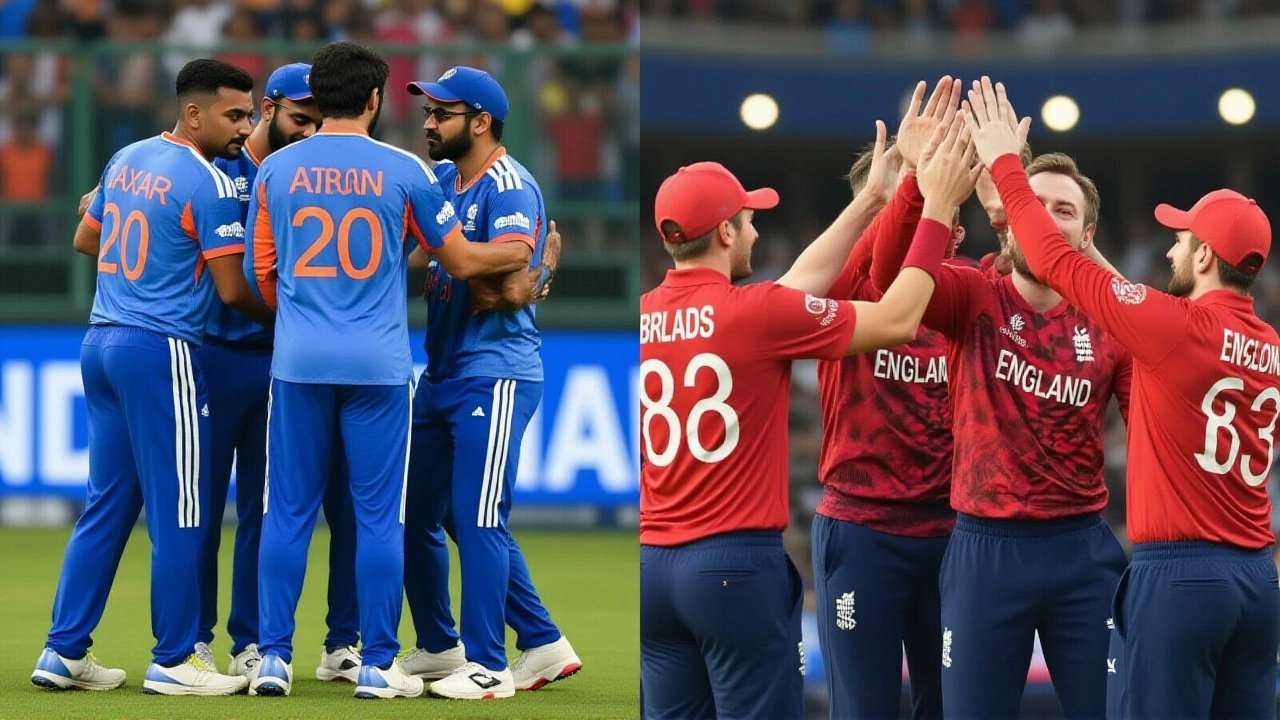
To understand why this incident carries weight, we need to step back. The 2026 T20 World Cup is bigger than ever, featuring 20 teams playing 55 matches across multiple venues. Host nations India and Sri Lanka worked tirelessly to deliver a world-class event, partnering with the Board of Control for Cricket in India (BCCI) and Sri Lanka Cricket.
Qualification paths varied widely. Canada earned its spot by defeating the Bahamas in June 2025, achieving their target in just 33 balls—a thrilling finish that underscored their hunger to compete globally. Meanwhile, top-ranked sides like New Zealand qualified automatically based on rankings as of June 2024.
This expansion brings both opportunities and risks. More teams mean more exposure—but also greater vulnerability to corruption attempts. Historically, smaller associations face higher pressures due to limited financial resources compared to wealthier counterparts.
What Does This Mean for Fans?
If proven true, match-fixing would tarnish not only the reputations of those involved but also the sport itself. Trust is fragile; once broken, rebuilding takes years. Remember the spot-fixing scandals involving English cricketers in 2010? It took immense effort to restore credibility.
For now, though, evidence remains circumstantial. No arrests have been made, nor have charges been filed. Experts caution against jumping to conclusions without concrete proof. "Investigations take time," says former umpire Richard Kettleborough. "We must let due process run its course before drawing definitive judgments."
Still, the mere possibility casts a shadow over the remaining games. Viewers may watch future fixtures with heightened skepticism, wondering if every dropped catch or wide ball hides ulterior motives.
Looking Ahead: Next Steps
The ICC typically conducts discreet preliminary assessments before announcing formal proceedings. Should substantial evidence surface, disciplinary hearings could follow swiftly. Potential penalties range from suspensions to lifetime bans, depending on severity.
In parallel, broadcasters and sponsors will likely increase oversight measures. Enhanced monitoring systems might include real-time data analysis during live broadcasts to detect irregularities faster.
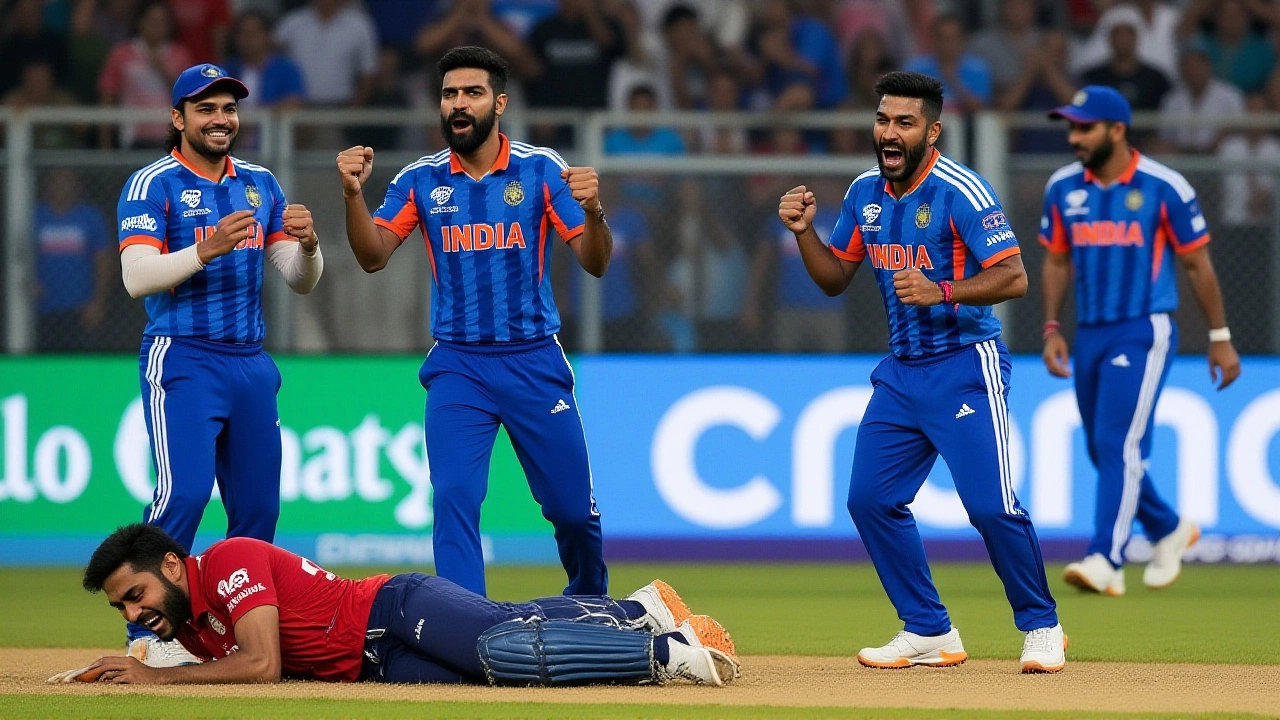
As for Canada and New Zealand, both teams continue competing in the Super 8 stage. Their upcoming clashes will undoubtedly draw extra attention—not merely for sporting merit but also as tests of character amid adversity.
Frequently Asked Questions
Why did the ICC investigate the Canada vs New Zealand match?
The ICC’s Anti-Corruption Unit initiated an inquiry following unusual on-field behaviors and potential betting anomalies linked to the February 17, 2026 fixture. Specific triggers weren’t disclosed publicly, prompting widespread discussion.
Was Yuvraj Samra implicated in the scandal?
No direct accusations have been leveled against Yuvraj Samra. His century stood out because it occurred despite Canada’s heavy defeat, raising curiosity rather than confirming wrongdoing.
How does the ICC handle match-fixing cases?
The ICC employs advanced surveillance tools alongside human intelligence gathering. Once sufficient evidence accumulates, accused individuals undergo hearings where sanctions—including bans—are determined based on culpability levels.
Could this affect other matches in the tournament?
While isolated incidents rarely indicate systemic issues, heightened vigilance ensures all subsequent games receive closer scrutiny. Any further red flags would prompt immediate action.