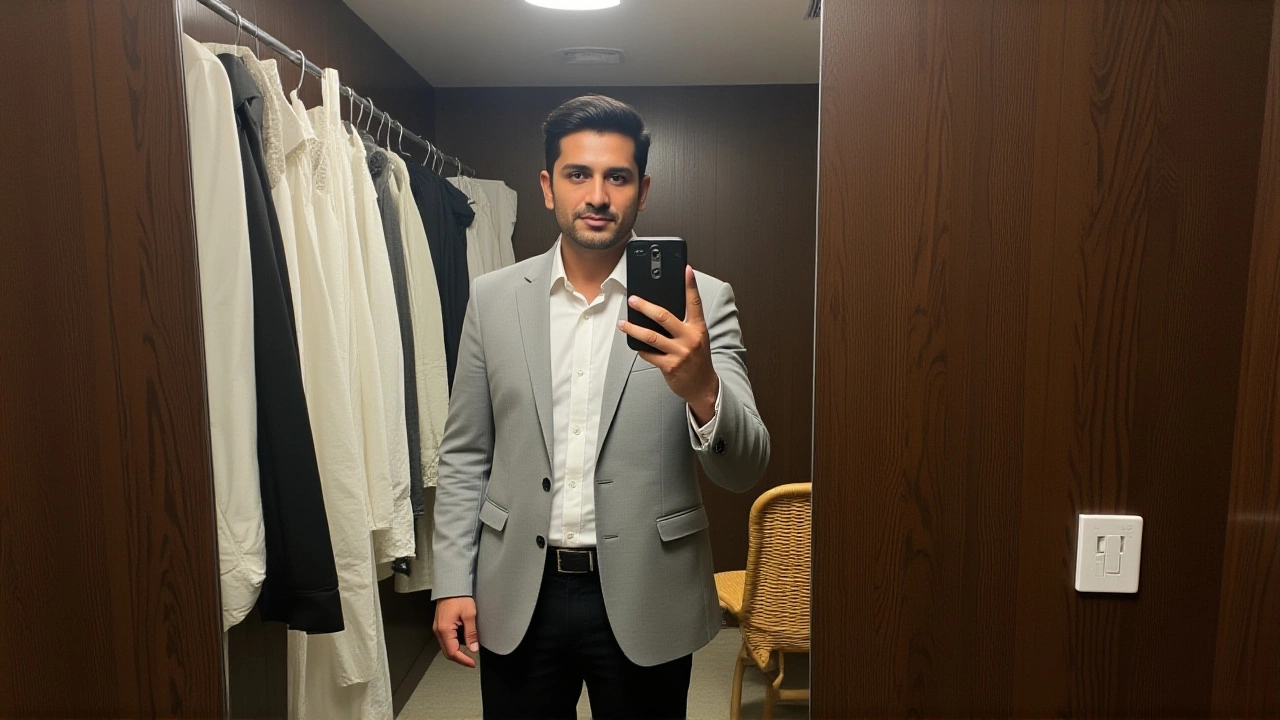
On August 4, 2020, the body of Samir Sharma, a 44-year-old Indian television actor, was found hanging from a ceiling fan in Room 102B of Neha Housing Society in Mumbai’s Malad neighborhood. The discovery came around 8 p.m., and police determined he had taken his own life—likely two days earlier, on August 2. No suicide note was found. What made the tragedy even more haunting was the timing: just months after Sushant Singh Rajput’s death, another face from India’s entertainment world was gone, leaving behind questions no one seemed prepared to answer.
A Quiet Struggle Behind the Spotlight
Samir Sharma wasn’t a household name, but he was everywhere on Indian TV between 2004 and 2020. Born on May 3, 1976, in Delhi, he moved to Bengaluru after college, working in advertising and IT before finding his way to radio at Radio City. It was there, listening to voices on air, that he realized he wanted to act. By 2004, he’d made the leap to Star One, debuting as Nitin in Dil Kya Chahta Hai. That same year, he landed a role as Krishna Agarwal in Kahani Ghar Ghar Ki—a show that made him a familiar face in living rooms across India.
His career wasn’t built on stardom but on stamina. He appeared in over a dozen TV serials: Kyunki Saas Bhi Kabhi Bahu Thi, Left Right Left, Vo Rahanewali Mahalon Ki, Geet Hui Sabse Pyari, and finally, in 2019, as Shaurya Maheshwari in Yeh Rishtey Hain Pyaar Ke. His most memorable role? Playing the villain Brij in Jyoti, where his intensity stole scenes from the leads. He even appeared in Bollywood films like Hanshi To Fansi (2014) and Ittefaq (2017), though his film roles were brief. He did commercials too—lots of them. But behind the credits, he lived alone, in a modest flat, with no family nearby.
The Loneliness of a Working Actor
Indian television is a machine. Actors are hired for contracts, dropped when ratings dip, replaced without warning. Samir had no agent. No publicist. No manager. He booked gigs through word-of-mouth and persistence. Friends say he rarely spoke about his struggles. He didn’t post on social media. He didn’t attend industry parties. He’d call his parents in Delhi occasionally, but they lived far away, and he never wanted to worry them.
“He was always polite,” recalled a neighbor from Neha Housing Society. “Would say hello, carry his own groceries. Never complained. But you could see the weight in his eyes sometimes.”
His last project, Yeh Rishtey Hain Pyaar Ke, ended in early 2020. With the pandemic shutting down sets, work dried up. No auditions. No callbacks. He had savings, but not enough for long-term stability. Rent in Mumbai isn’t cheap. And for actors without a steady income, the silence after a show ends can be deafening.
A Pattern, Not an Isolated Tragedy
Samir’s death wasn’t an accident. It was the latest in a string of losses. Sushant Singh Rajput’s suicide in June 2020 had already shaken the industry. Then came the rumors, the investigations, the public outcry over exploitation and mental health neglect. By August, when Samir’s body was found, many felt a grim sense of déjà vu.
Actors like Sushant Singh Rajput and Samir Sharma weren’t outliers. They were symptoms. A 2021 survey by the Indian Film & Television Actors’ Association found that 68% of freelance actors reported symptoms of depression or anxiety, and 41% said they’d considered quitting the industry due to financial and emotional stress. Yet, there’s no union-backed mental health support system. No helpline. No counseling services funded by production houses.
“We treat actors like disposable props,” said a former casting director who asked to remain anonymous. “We cast them for six months, pay them a daily rate, then move on. No one checks in. No one asks, ‘How are you really?’”
What Changed After Samir?
Not much.
There were condolences from colleagues—vague social media posts, tearful interviews on TV. But no policy changes. No industry-wide mental health initiative. No fund for struggling actors. No mandatory wellness checks for cast members on long-running shows.
One small step: a few production houses quietly began offering voluntary counseling sessions. But participation is low. Many fear stigma. Others don’t know where to turn.
Meanwhile, Samir’s flat remains empty. His belongings were donated. His Instagram account, last updated in January 2020, still shows a photo of him smiling beside a fan—ironically, the same kind he died under.
What’s Next for India’s Entertainment Workers?
The question isn’t whether another actor will die this way. It’s when.
Until the industry stops treating emotional well-being as a luxury and starts seeing it as a necessity, more names will be added to this list. Until there’s a formal safety net—for freelancers, for contract workers, for those who don’t have agents or managers—these tragedies will keep happening.
Samir Sharma didn’t ask for fame. He asked for work. And when the work stopped, no one noticed he was gone.
Frequently Asked Questions
Why didn’t Samir Sharma have a manager or agent?
Many mid-level TV actors in India, especially those without film connections, work independently due to high agency fees and lack of guaranteed work. Samir booked roles through personal networks and direct auditions, common among actors outside the top tier. This isolation made him vulnerable when projects ended and income stopped.
How common are mental health struggles among Indian TV actors?
A 2021 survey by the Indian Film & Television Actors’ Association revealed that 68% of freelance actors reported clinical levels of anxiety or depression, with 41% considering leaving the industry. Financial instability, irregular work, and social isolation are key drivers. Yet, only 12% had access to professional counseling through their employers.
Did Samir Sharma’s death lead to any industry reforms?
No formal reforms followed. While a few production houses introduced voluntary mental health sessions, participation remains low due to stigma and lack of awareness. No union, network, or government body has implemented mandatory wellness protocols for TV actors, leaving thousands without support.
What roles was Samir Sharma best known for?
He gained recognition as Krishna in Kahani Ghar Ghar Ki (2004), Brij the villain in Jyoti, and Shaurya in Yeh Rishtey Hain Pyaar Ke (2019–2020). He also appeared in Bollywood films like Ittefaq (2017) and Hanshi To Fansi (2014), though his TV work defined his career. His performances were noted for emotional depth, not star power.
Where did Samir Sharma live before his death?
He lived alone in Room 102B of Neha Housing Society in Malad, Mumbai—a modest, rented apartment. He moved there after relocating from Delhi to pursue acting full-time. Neighbors said he rarely had visitors and kept to himself, a common pattern among actors facing financial strain and professional uncertainty.
Was there any connection between Samir Sharma’s death and Sushant Singh Rajput’s?
There was no direct link, but their deaths occurred within two months of each other during a period of intense scrutiny over mental health in Bollywood and TV. Samir’s passing amplified public concern that systemic neglect—lack of insurance, no mental health infrastructure, exploitative contracts—was putting lives at risk across the industry.